Winners ride a RIH
As with the frame building business, open road racing changed in the fifties. Team sponsorships became important. RIH co-sponsored smaller teams with national tiremakers Radium and Vredestein. But the large cycling sponsors dictated which components (tires, gruppi, and frames) riders used. This was a significant shift. Before, riders chose their own equipment.
But the rider’s faith was in RIH. Competitive racers like Schulte, van Vliet, Derksen, Janbroers, den Hertog, van Looy, and Darrigade were all said to have competed on RIH frames wearing other brand’s colors. All but the last two names appear in the RIH production records as customers.
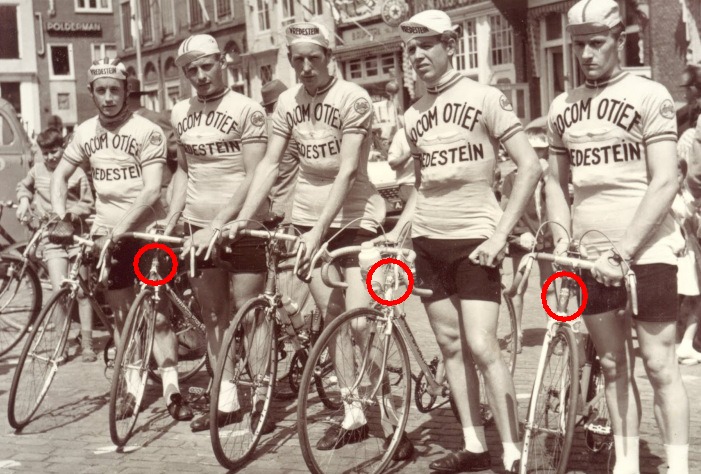
It was an open secret. It was called overplakken. Simply “paste over” the sponsor’s head badge on the RIH frame’s empty head tube and spray on the sponsor’s colors.
Top secret or open secret?
According to Wim Jr. the deception was common knowledge among Dutch racing fans. “There are many more than you think. But I can’t say. Secret. Top secret.” Why wouldn’t he speak out? “That boy who had his bicycle repainted gets fired right away if I say anything about it.” The cyclists were his friends.
How many? Wim Jr. was coy. “I don’t know exactly. But it is quite a few. If (a cyclist) rides for, say, Peugeot, Flandria, or Gazelle, and he absolutely wants to ride a RIH because he thinks it’s a much better bike, then there’s a little trick to give the bicycle the desired color and label.” The implication? Overplakken! Maybe every winner was riding a painted RIH…who knew?
“Racers who have contracts with foreign sponsors are allowed to ride Bustraan’s bikes, but they must have the sponsor’s colors sprayed over it,” Gerrit Schulte plainly admitted to Het Parool in 1961. He said many were doing it: Belgians, Germans, French, and Australians.
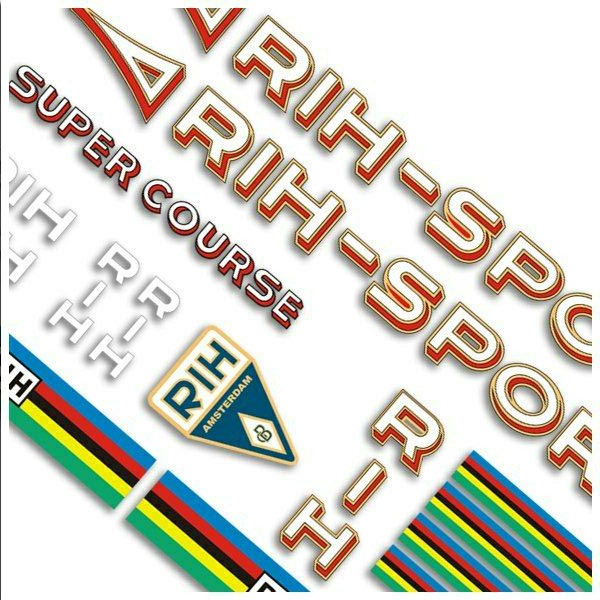
Of course the subterfuge worked both ways. When RIH was sponsoring the Koninklijke Nederlandsche Wielren Unie (KNWU) team in the nineties all of the bikes, regardless of its brand, wore RIH stickers.
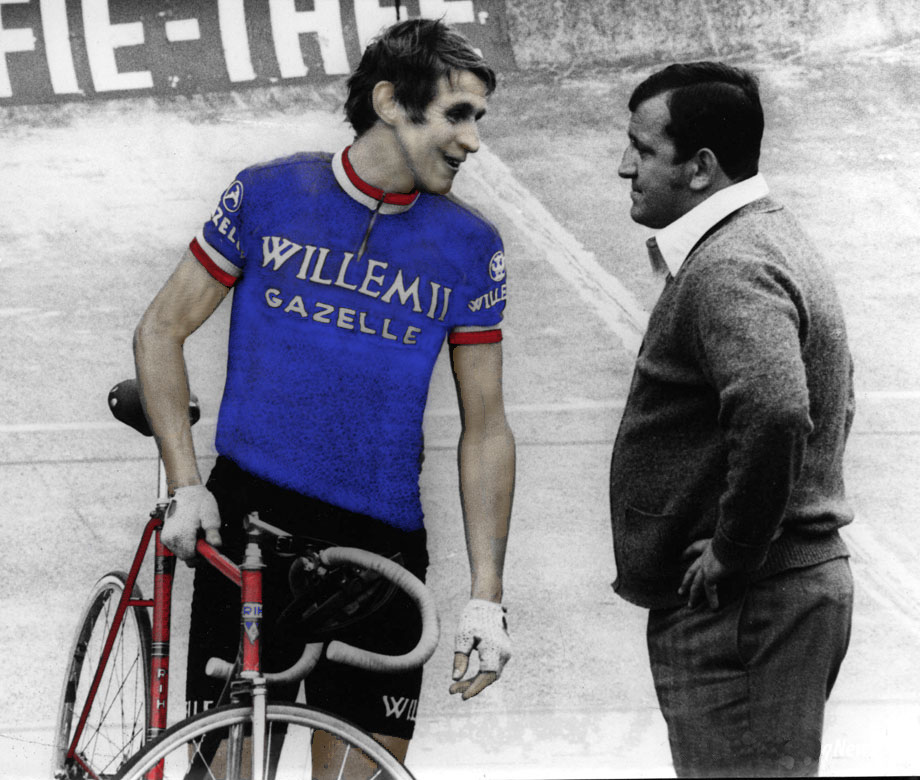
It is said the storied Peter Post rode his entire road and track career on RIH frames. When he competed for the Flandria and Willem II-Gazelle teams his RIH wore the colors of the sponsor.
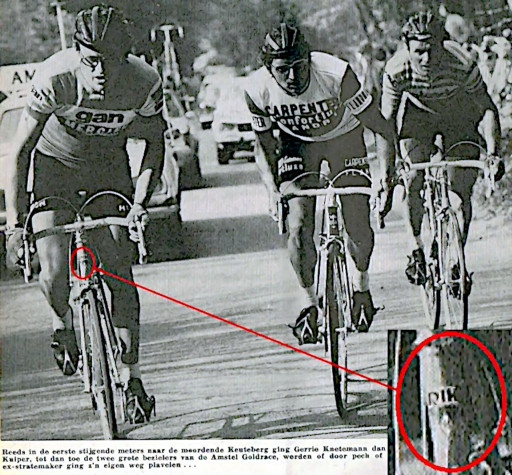
Gerrie Knetemann, another son of the hardscrabble Jordaan, frequented the neighborhood shop as a child and was loyal to RIH. He met his future wife at the shop. When Knetemann won the 1974 Amstel Gold race he was supposed to be riding a Mercier, but the head badge read RIH. Ten years later De Kneet won the Amstel classic again. Mercier was still his sponsor. This time the head badge read Mercier.
David vs Goliath
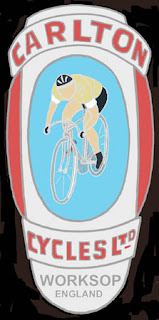
Officially, overplakken only upset Wim Jr. once. Leijn Loeveseijn won the 1971 World Cup sprint on a RIH wearing a Carlton badge and decals. He sued for 200,000 guilders alleging loss of goodwill and damage to the brand. Understand the context: RIH’s Fongers production agreement was about to expire. Carlton’s silence on the matter harmed his negotiating leverage with potential future partners.
Speaking directly to the average Dutch cycling fan, he told the Algemeen Dagblad, “if this is allowed…you can quietly stick a Grolsch label on a bottle of Heineken beer.” It is assumed this comment was made prior to his appearance in the Grolsch Vakmanschap is Meesterschap advertising series.
Carlton argued the practice was commonplace and noted earlier overplakken agreements. Three years later RIH settled for 25,000 guilders. Wim Jr. gave it a positive spin, telling Het Parool, “I find the size of the amount a bit disappointing, but 200,000 guilders was of course not feasible. I think the most important thing is the principle of the matter.”
He could afford to be magnanimous. By this time the issue had been mooted; the Cové production deal was in place.
In an ugly postscript Carlton’s parent was not finished. The British giant Raleigh appealed the decision. Bustraan had not objected to the overplakken until two months after the event and Raleigh argued that this implied consent. The court agreed and the judgment was voided in 1977.
The Carlton brand name was withdrawn from the market in 1985. Raleigh is now owned by Accell, a Dutch bicycle company. Sic transit gloria.